

Electrical safety should be a priority in every home. Small issues such as damaged cords, overloaded power boards, faulty appliances or outdated switchboards can quickly become serious safety risks if left unchecked. For homeowners, taking a proactive approach to electrical safety can help reduce the risk of electric shock, fire, equipment damage and costly repairs.
While some hazards are obvious, others are easy to miss. That is why regular checks, safe habits and professional electrical work all play an important role in keeping your home and family protected.
1. Never attempt DIY electrical work
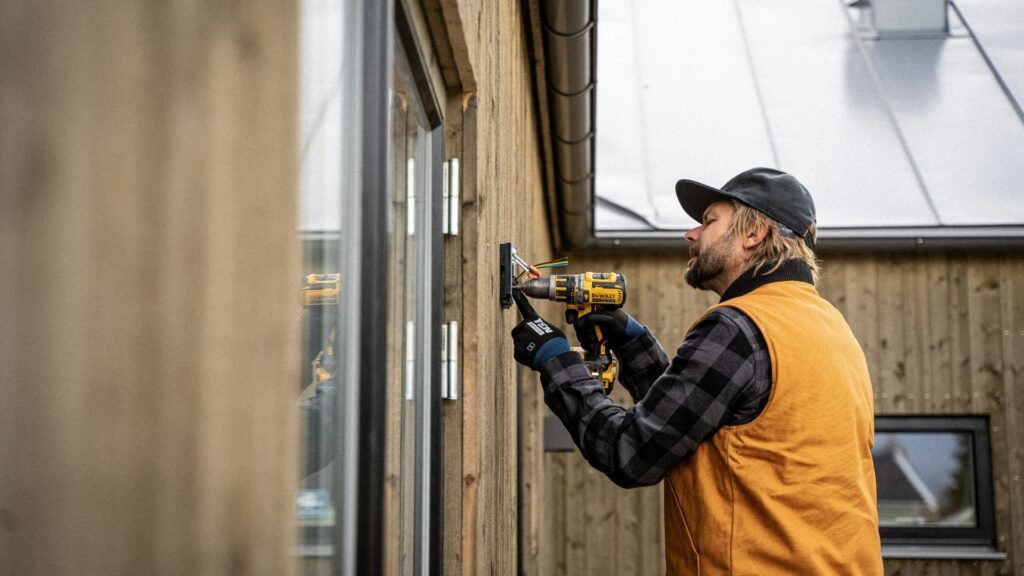
One of the most important electrical safety rules for homeowners is simple: do not do your own electrical wiring work. In NSW, electrical wiring work must be carried out by someone who holds the appropriate electrical licence or certificate.
Trying to handle electrical work yourself can create serious risks, including electric shock, fire hazards, non-compliant installations and hidden faults that may not show up until later. Even if the job seems minor, it is always safer to use a licensed electrician.
2. Make sure your safety switches are working
Safety switches are one of the most important electrical safety devices in the home. They are designed to shut off power quickly when current leakage is detected, helping reduce the risk of serious electric shock. They are different from circuit breakers, which protect wiring and appliances rather than people.
A safety switch can usually be identified by a T or test button on the front. Electrical Safety Office guidance says safety switches should be tested regularly, and specifically recommends checking the test function every three months.
If your home does not have safety switches, or if you are unsure whether your switchboard is up to standard, it is worth having a licensed electrician inspect it.
3. Avoid overloading power boards and outlets
Overloaded power boards and double adapters are a common household electrical hazard. Plugging too many high-load appliances into one outlet can cause overheating and increase the risk of fire. This is especially important in kitchens, living rooms, home offices and entertainment areas where multiple devices are often used together.
A safer approach is to avoid daisy-chaining boards, use quality products in good condition, and have additional power points installed if your household is regularly relying on extension leads and adapters. If your setup is starting to feel like a workaround, it is usually a sign the home needs a better electrical solution.
4. Check cords, plugs and appliances for damage
Damaged leads, frayed cords, cracked plugs and loose connections can all create electrical hazards in the home. Electrical safety guidance also emphasises that damaged appliances, wiring and extension leads should be repaired or discarded.
Homeowners should regularly check common items such as kettles, toasters, chargers, heaters, lamps, extension leads and outdoor tools. If anything looks damaged, overheats, sparks, smells unusual or works intermittently, stop using it and have it checked or replaced.
5. Be extra careful with electricity around water
Electricity and water are a dangerous combination. Bathrooms, laundries, kitchens, outdoor areas and pool zones all require extra care. Appliances should never be used with wet hands, and damaged outdoor electrical equipment should be dealt with immediately.
Generator safety guidance also warns not to use equipment in wet conditions or touch it with wet hands. The same principle applies more broadly in the home: moisture increases electrical risk, so any electrical item used near water should be suitable for that environment and in good condition.
6. Test smoke alarms and keep them up to date
Smoke alarms are a critical part of overall home safety. In NSW, homes must have at least one working smoke alarm on every level.
Smoke alarms should also be tested regularly so they work when needed. If your smoke alarms are ageing, unreliable or poorly located, it may be time to upgrade them. Hard-wired smoke alarms and interconnected alarm systems should always be handled by a licensed electrician.
7. Keep children safe around electrical hazards
Children are naturally curious, which means power points, cords, chargers and appliances can all become risks. Homeowners should use socket covers where appropriate, keep cords out of reach, avoid leaving appliances plugged in unnecessarily, and make sure portable heaters, lamps and chargers are placed safely.
Teaching children basic electrical safety at home is also important. A safe home setup combined with simple household rules can go a long way in reducing preventable accidents.
8. Be careful when using generators at home
If you use a portable generator during outages, it is important to use it safely. Official guidance says generators should be kept outside and never used indoors. It also warns never to power house wiring by plugging a generator into a wall outlet, as this can cause dangerous backfeeding and create an electrocution risk.
If a generator needs to be connected to house wiring, a licensed electrician must do it, and permanently connected generators require a proper changeover switch.
9. Don’t ignore warning signs
Electrical issues often give warning signs before they become major problems. Common examples include:
- flickering lights
- warm or discoloured power points
- burning smells
- buzzing sounds from outlets or switchboards
- circuit breakers tripping often
- sparking when plugging something in
These are all signs that something may be wrong. Instead of waiting for the issue to get worse, it is best to have it checked promptly by a licensed electrician.
10. Arrange electrical inspections when needed
Older homes, renovated properties, homes with frequent tripping issues, and houses using lots of extension leads can all benefit from a professional electrical inspection. An electrician can identify outdated wiring, switchboard issues, missing safety switches, non-compliant work and other hidden hazards before they turn into bigger problems.
For many homeowners, prevention is far less expensive than emergency repairs after a fault, fire risk or major failure.
Protect your home with safer electrical habits
Keeping your home electrically safe does not always require major upgrades. In many cases, it starts with good habits: using appliances properly, checking for damage, avoiding overloaded outlets, testing safety switches and knowing when to call a professional.
At 24/7 Local Electrician, we help Sydney homeowners with electrical safety inspections, smoke alarm installation, switchboard upgrades, fault finding, repairs and general electrical work. If you are concerned about the safety of your home’s electrical system, we are here to help keep your family and property protected.